

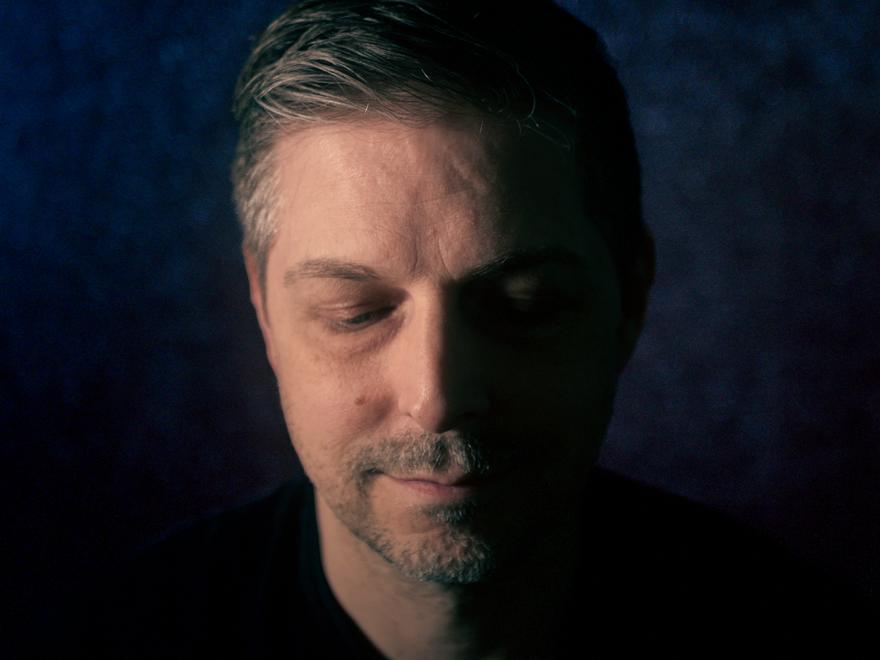
An endless scroll numbing you by the swipe.
That text sitting on read. You want to reply. You know you should. But you just...don't.
Grocery shopping feels like a walk in an alien world.
The sweet relief of plans canceled.
A smile that never lifts to your eyes in a room full of people who love you beyond reason.
Behind your thoughts, wondering what you're doing here. In that job. With these people.
Is it just you? It must be you. There's no way everyone feels like this.
And sure, “everyone” might be a stretch. But still…
This is loneliness in the modern age.
They’re calling it an epidemic.
There’s no pill we can take. Or medical treatment to solve it.
But that doesn’t mean it can’t be healed.
Loneliness is not the same as solitude. In loneliness we feel separate. Disconnected. Misunderstood. Unwanted.
Solitude is something we choose, often with good reason, or at least with good intentions, ostensibly to turn down the noise and tune in with ourselves.
More often, what we wind up doing is isolating ourselves, without the actual quietude that’s supposed to come with it. We read. We scroll. We watch. We consume. You’re alone, but your space is still full of people.
They say that once upon a time, when we started to feel sad and alone, our natural instinct was to go connect with our friends and family. It must have been before my lifetime. I don’t ever remember feeling that as anything approaching natural. Necessary maybe, but certainly not instinctual.
Now, loneliness is a cue to withdraw. Trying to recharge an ever degrading battery that won’t hold its juice. Or find your center and get yourself together.
We reach for aloneness, against our own deeper instinct, and it costs us the very peace and happiness we’re craving.
People are the problem. But they’re also the solution.
One look at the news, or a casual scroll on social media paints a damning picture of humanity. Even the people in our lives — the people we know the best — can be confusing and frustrating. Let alone that stranger in the supermarket taking out their frustrations on the cashier.
We live in our own little worlds. Whole narratives being constructed behind our eyes that never get spoken. Battles won and lost entirely in our minds.
It’s only natural that we feel misunderstood.
Which is what we really want anyway. To be seen. Except when we don’t. And definitely not those parts of ourselves we try so hard to hide.
The one thing that makes us feel less alone is to let ourselves be seen. Really seen. And it’s the last thing we want to risk. Isolation is the safe choice. Especially when you’re feeling sad, depressed or insecure.
That text message you’re ignoring could be a lifeline. But some part of us has decided it’s safer to withdraw. It’s not a fully conscious choice though, and you know that because you feel bad for not returning it.
A primal part of you carried over from hunter-gatherer days knows that isolation is extremely unsafe. And your brain doesn’t care that you chose isolation. It only knows that once you’re alone, threats are a lot more dangerous.
This feedback loop rejects the one thing that would pull you out of it. And it happens entirely in the shadows.
You’re not sitting there thinking, “I don’t want to return that text because I feel unsafe.” You make up a story to justify it.
“I don’t have time. I don’t want to deal with it right now. I’ll get to it later.” Or you might bypass the excuses and just turn it in on yourself. “I’m just a bad person. A terrible friend. An ungrateful child.”
The end result is the same.
Continued isolation just makes us feel more alone. And the more alone we feel the harder it is to reach out.
We’re social creatures. And like it or not (I know I have mixed feelings about this) we need one another.
Not only for recognition. Also for purpose. Because filling a meaningful role in someone else’s life is what gives us that sense of purpose.
Like a giant jigsaw puzzle, looking for our place to complete a bigger picture. Even if we can’t see the whole thing from our limited perspective, Some part of us knows it’s there. The same way you know that those people are there for you, even when you shut them out.
You don’t have to believe in God for any of this to work. You just have to believe in your fellow (wo)man enough to give it a try.
To be clear, I’m not saying you should try to be more like your extroverted friends. What I am suggesting is that it’s ok to talk to that stranger. Or return that text. Maybe even call that person up and talk to them like it’s still the 1900s.
Little moments make up a life. And the more we choose to participate with our fellow human beings — the people in our everyday lives and communities — the more connected we’ll feel.
Instead of choosing isolation as a default, we can shine a little light into someone else's day. Or do them the kindness of letting them be there for us when we need them.
If anything will lift us out of the darkness of this anti-social century, it’s seeing ourselves in one another. Not from a distance.
Face to face. Eye to eye. Maybe even with a smile on our faces.
Full Moon Ritual
This Full Moon Cycle, I want to invite you into unfamiliar territory.
As you journal, write down the connections you’ve been avoiding. No shame. No excuses. Just names, groups, or activities you’ve been putting off. You can get the full ritual guide here.
Then, as you listen to the sound healing, your mind will slip into the space between waking and sleep. Let the faces of those people drift in and out of your awareness. No effort. No checklist. No holding. Just letting them pass naturally across the movie screen of your mind, like a transcendental slide show.
When you’re done with the healing, reach out to at least one of those people. Text if you want to play it cool. A cold call if you’re feeling bold.
Then do the same thing with someone else the next day.
Connection isn’t a one-time thing. It’s a habit we form one small choice at a time.
Let me know how it goes.
With love,
Nick








Comments